
Your Trusted Guide to the AI Revolution
At I Review AI, we cut through the noise to deliver unbiased reviews, tailored recommendations, and actionable insights that empower businesses to embrace AI with confidence


What We Offer?!
What We Offer?!
AI Education for a Future-Ready Workforce
Stay ahead in an AI-driven world! Our courses simplify AI for professionals, entrepreneurs, and businesses no tech background needed. Start with our AI Review Foundation Course and get certified. Coming soon: AI for Legal Professionals!
AI-Powered Marketing Solutions
Boost your brand with AI-driven marketing! From SEO-optimized content to automated ad campaigns, we help businesses grow with smart, data-driven strategies. Try our Free AI Ignite Package or scale up with Silver, Bronze, and Gold plans.
Expert AI Consultancy
Transform your business with AI! We help automate tasks, optimize workflows, and enhance customer experiences across industries. Our custom AI strategies ensure seamless integration for maximum impact.
Explore the Future
with AI!

Explore the Future with AI!
Why Learn AI?
Join our AI courses and dive into the world of artificial intelligence. Whether you're a beginner or an expert, our courses cover cutting edge topics like machine learning, ChatGPT applications, and AI-driven business strategies. Stay ahead of the curve enroll today and unlock the power of AI!
Unlock Your Curiosity Take Our Free AI Courses!
Start learning the fun and easy way our bite-sized, beginner-friendly courses are now 100% free for a limited time.
Whether you're curious about AI, want to level up your skills, or just love learning something new, we've got you covered. No sign-up hassle, just click and start exploring.
Find the Best AI Tools
Honest Reviews, Expert Picks & Easy Integration

Unbiased AI Tool Reviews
Honest, expert evaluations of the latest AI tools, designed to meet your business needs.

Tailored Recommendations
Personalized advice to find the best AI solutions for your industry.

Seamless Integration Guidance
Strategies to integrate AI tools into your operations with minimal hassle.


Explore the World of AI For Every Curious Mind
Practical, expert-led online courses to help parents, professionals, and pioneers understand and use AI responsibly.
AI for Parents & Teachers Online Course
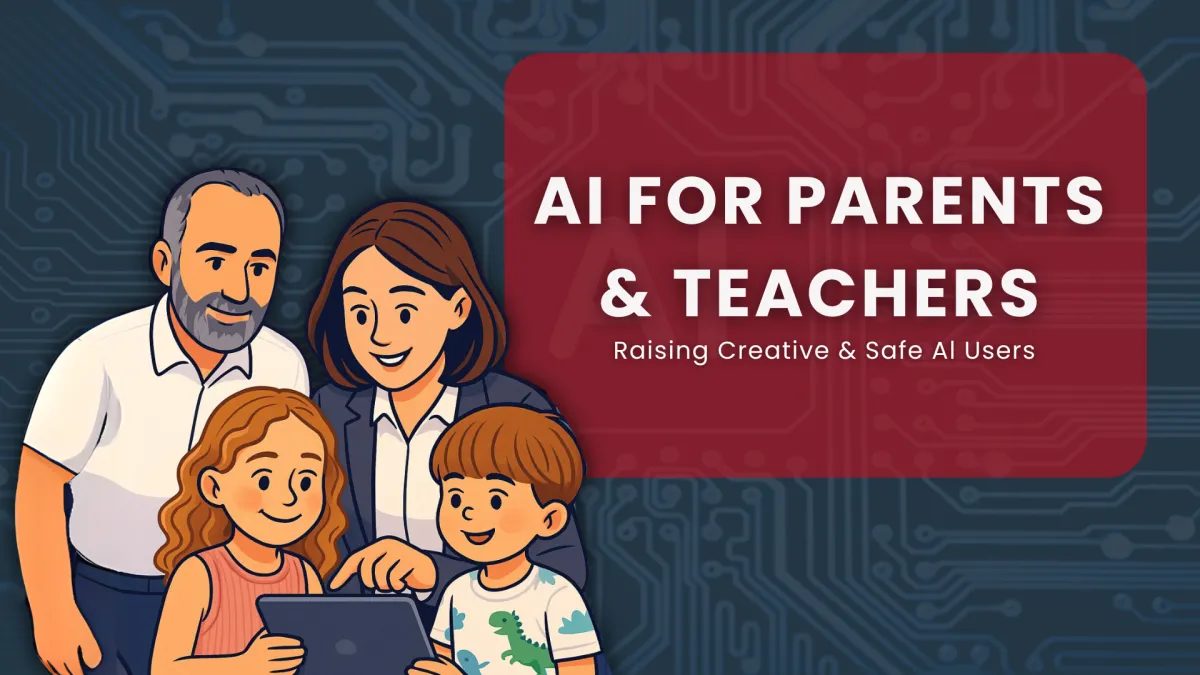
$9
Confidently guide your kids into the world of AI safe, creative, and simple.
AI for Business foundation Online course

$27
Start this course today and start using AI to save time, create better content, and grow your business with confidence.
AI & Law Online Course

$27
Work smarter, not harder draft, research, and win with AI in just 10 hours.
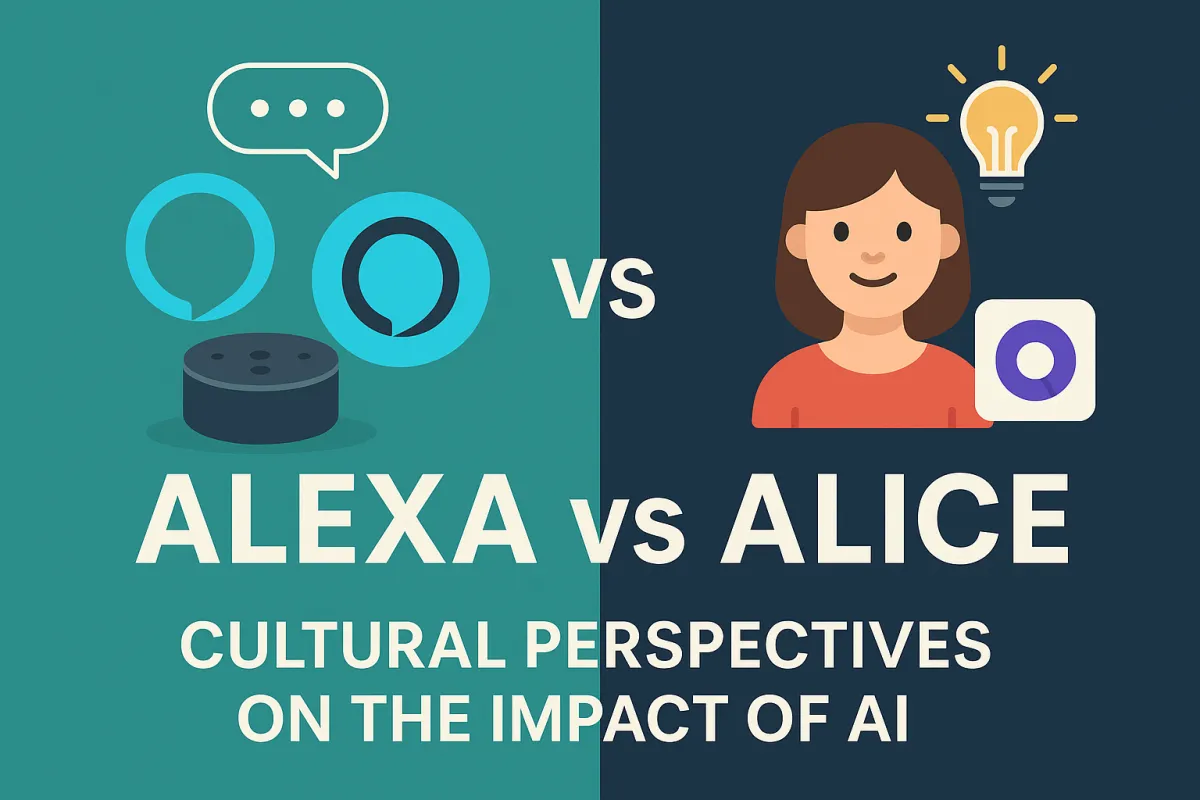
Alexa-vs-Alice-cultural-impact
Alexa vs. Alice: How Culture Shapes AI Adoption Across the Globe
Understanding AI Through a Cultural Lens
In today's interconnected world, artificial intelligence (AI) isn’t just reshaping the way we live and work—it’s also revealing the diverse cultural values that shape how we engage with emerging technologies. Nowhere is this more evident than in the comparison between two leading AI voice assistants: Amazon's Alexa and Russia’s Alice (by Yandex). These digital companions don’t just answer questions; they interact in ways deeply informed by the cultures that created them.
This blog post dives into the cultural narratives surrounding AI, drawing insights from historical shifts, emotional design, ethical debates, and global perceptions that influence AI’s acceptance and adaptation.
A Brief Historical Backdrop
From ancient tools to the digital revolution, technological evolution has always intertwined with societal transformation. Voice-based technologies, including radios and now AI assistants, have long influenced public discourse. For example, radio broadcasts played major roles in political mobilization during the 20th century—from Hitler’s rallies to Roosevelt’s fireside chats. Similarly, modern AI voice assistants continue this legacy by shaping how people relate to technology in everyday life.
But history also reminds us: innovation must be thoughtful. Without ethical reflection, new technologies risk reinforcing old inequalities.
Why Culture Matters in AI Design
Every culture holds unique beliefs about autonomy, privacy, hierarchy, and trust. These cultural expectations influence how people interact with technology.
In Western societies, values such as individualism and personal autonomy dominate. AI systems like Alexa are designed to enhance user control and personalization.
In contrast, East Asian cultures often value harmony and collective well-being. In these contexts, AI like Alice may be embraced as a tool for group benefit or familial care rather than individual empowerment.
This divergence isn’t merely academic—it affects interface design, voice tone, privacy defaults, and user engagement.
Popular Culture: Influencer of Fear or Friendliness?
Media depictions of AI play a powerful role in shaping public attitudes. In the West, AI is often framed as a double-edged sword—both a helper and a threat. Films like Her or Ex Machina provoke existential questions about consciousness and control.
Meanwhile, in countries like Japan, AI is often portrayed as benign or even adorable—think of robots like Pepper or the influence of anime. These portrayals foster comfort rather than caution, influencing user openness to AI integration in daily life.
Regional Insights: One Size Doesn’t Fit All
Cultural perception of AI varies by region:
North America & Europe: Concerned with privacy, data protection, and algorithmic fairness.
Asia: Focuses more on economic development, convenience, and technological optimism.
Africa and Latin America: Highlight access inequality and the social impact of AI on employment.
Developers aiming for global reach must account for these nuances—or risk building products that alienate instead of empower.
Bias in AI: A Cultural and Ethical Crisis
High-profile examples—like the COMPAS tool misclassifying Black defendants or Amazon’s biased hiring algorithm—show that AI systems can reinforce systemic bias. These failures highlight the need for diverse development teams, culturally aware training datasets, and ongoing auditing of AI behavior.
Without such measures, AI risks perpetuating the very inequalities it was meant to solve.
Designing AI That Feels: Emotional Intelligence and Culture
Emotional design—how AI interfaces connect with users on a human level—is becoming central to AI development. AI systems are evolving from cold tools into emotionally resonant companions. But emotional responses are also culturally shaped.
For example, users in collectivist cultures may prefer AI with polite, reserved tones, while those in individualistic cultures might value humor or informal interaction. This adds another layer of complexity to creating AI that resonates globally.
Toward an Inclusive AI Future
The future of AI must be:
Culturally adaptive – able to understand local norms and values.
Ethically sound – designed with fairness and inclusivity at its core.
Emotionally intelligent – responding to users with empathy and awareness.
Globally representative – developed with diverse voices at the table.
Conclusion: Bridging Cultures Through Code
AI is not just a technological phenomenon—it’s a cultural mirror. By comparing Alexa and Alice, we see how cultural values deeply shape our relationship with digital assistants. This comparison serves as a reminder: technology is not neutral. Its development must be guided by inclusive ethics, interdisciplinary collaboration, and above all, cultural sensitivity.
As we build the future, let’s ensure AI empowers everyone—not just a few.

READY TO GIVE US A TRY?
Unlock the Power of AI Subscribe Now!
Stay ahead in the world of artificial intelligence! Subscribe to our website for exclusive access to upcoming AI courses, expert insights, and cutting-edge industry updates. Don’t miss your chance to level up your skills.
COMPANY
CUSTOMER CARE
LEGAL
Copyright 2025. i-review.ai. All Rights Reserved.